Himalayan salt has gained immense popularity as a health food trend, often touted for its unique color and mineral content. However, beneath the alluring marketing lies a narrative that is far less glamorous than the mythology surrounding it. This article aims to explore the origins, composition, and health claims of Himalayan salt, shedding light on the realities that consumers should know before they indulge in this trendy product.
The True Source of Himalayan Salt
Contrary to popular belief, Himalayan salt does not originate from the majestic Himalayas. It is primarily mined in the Salt Range of Pakistan, with the Khewra mine being the most well-known source. This rock salt, known as halite, has been rebranded to emphasize its exotic origins and appeal to health-conscious consumers. The truth is that this salt is simply Pakistani rock salt that has been marketed under the Himalayan label for profit.
Understanding the real source of Himalayan salt is crucial for discerning consumers. While it may be presented as a unique and ancient mineral, the reality is that its origins are quite ordinary. The marketing tactics that promote Himalayan salt often obscure this fact, leading to misconceptions about its rarity and value.
The Color Mystery: Why Is Himalayan Salt Pink?
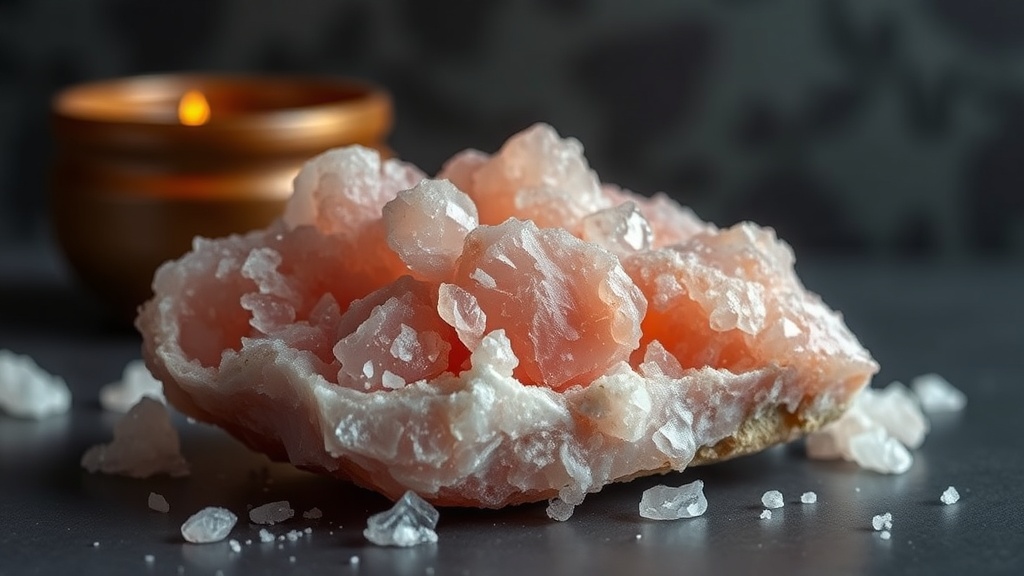
The striking pink hue of Himalayan salt is often misconstrued as a sign of superior health benefits. However, the color is primarily due to the presence of iron oxides — essentially rust. While some trace minerals are present in small amounts, they do not confer any significant nutritional advantages. The visual appeal of the pink color is frequently leveraged by marketers to imply a level of purity and ancient energy that simply isn’t supported by scientific evidence.
This misconception can be misleading for consumers who are searching for health-enhancing foods. The pink color, while aesthetically pleasing, does not indicate that the salt possesses unique detoxification properties or superior nutritional value. Instead, it is essential to approach claims surrounding Himalayan salt with a critical eye to avoid falling for marketing gimmicks.
Do the Minerals in Himalayan Salt Offer Health Benefits?
While it is true that Himalayan salt contains trace amounts of minerals such as calcium, potassium, and magnesium, these quantities are so negligible that they hold no real nutritional value. To gain any measurable health benefits from these minerals, one would need to consume dangerously high amounts of salt, which is neither practical nor safe. Thus, the notion that Himalayan salt is a healthier alternative to regular table salt is fundamentally flawed.
Moreover, many diets already provide sufficient levels of these nutrients, especially through fortified foods. Adding Himalayan salt to one’s diet is unlikely to enhance mineral intake meaningfully. In fact, for those with specific health concerns, such as iron overload or inflammation-related disorders, the extra iron from the salt could pose more risks than benefits.
Debunking the Myths Surrounding Himalayan Salt
Himalayan salt has been marketed as a cure-all for various ailments, promoted by wellness influencers and alternative health proponents. Claims about detoxification, air purification by salt lamps, and balancing the body’s energy are unsubstantiated and lack credible scientific backing. The primary function of Himalayan salt remains that of a seasoning agent for food, just like any other type of salt.
Understanding these myths is essential for consumers who wish to make informed choices about their food and health. While Himalayan salt can add flavor to meals, it should not be viewed as a miracle product. The allure of ancient minerals and wellness benefits often overshadows the reality that salt, in its many forms, serves primarily to enhance taste rather than heal.
Choosing the Best Salts for Your Health
If you’re looking for salt with true mineral content and clean sourcing, consider alternatives that are more beneficial than Himalayan salt. Celtic Sea Salt, for example, is naturally harvested and sun-dried, retaining a balanced profile of trace minerals without excess iron oxide. Redmond Real Salt is another excellent choice, mined from ancient seabeds in the U.S. and thoroughly lab-tested for contaminants.
When selecting salts, look for options that prioritize purity and quality over marketing claims. Choosing iodized salt can help if you need iodine in your diet. For those seeking trace minerals, unrefined sea salts are a far better option than Himalayan salt, which often falls short in delivering on its health promises.
Frequently Asked Questions
- What is Himalayan salt, and where does it come from?
Himalayan salt is a type of rock salt mined in Pakistan’s Salt Range, particularly from the Khewra mine. Despite its name, it does not originate from the Himalayas but is marketed as such to enhance its appeal.
- Why is Himalayan salt pink?
The pink color of Himalayan salt primarily comes from iron oxides, which are essentially rust. While it may contain trace minerals, these do not provide significant health benefits, and the color should not be mistaken for superior nutritional value.
- Does Himalayan salt have health benefits?
Although Himalayan salt contains small amounts of minerals, these are not present in sufficient quantities to offer any meaningful health benefits. Consuming large amounts of salt to gain these benefits is impractical and potentially harmful.
- Are there better alternatives to Himalayan salt?
Yes, there are several alternatives that offer better nutritional profiles and sourcing, such as Celtic Sea Salt and Redmond Real Salt. These options provide beneficial minerals without the excessive iron content found in Himalayan salt.
- What should I look for when buying salt?
When purchasing salt, it’s essential to choose options that prioritize purity and quality. Look for salts that are unrefined, lab-tested for contaminants, and sourced sustainably to ensure you’re making a healthy choice.