In various educational institutions, it’s common for students needing specialized instruction to be segregated from their able-bodied classmates. This separation stems from diverse reasons, including the requirement for Individualized Education Programs (IEPs) that aren’t feasible in a conventional classroom setting. Additionally, some children might thrive better in less restrictive environments.
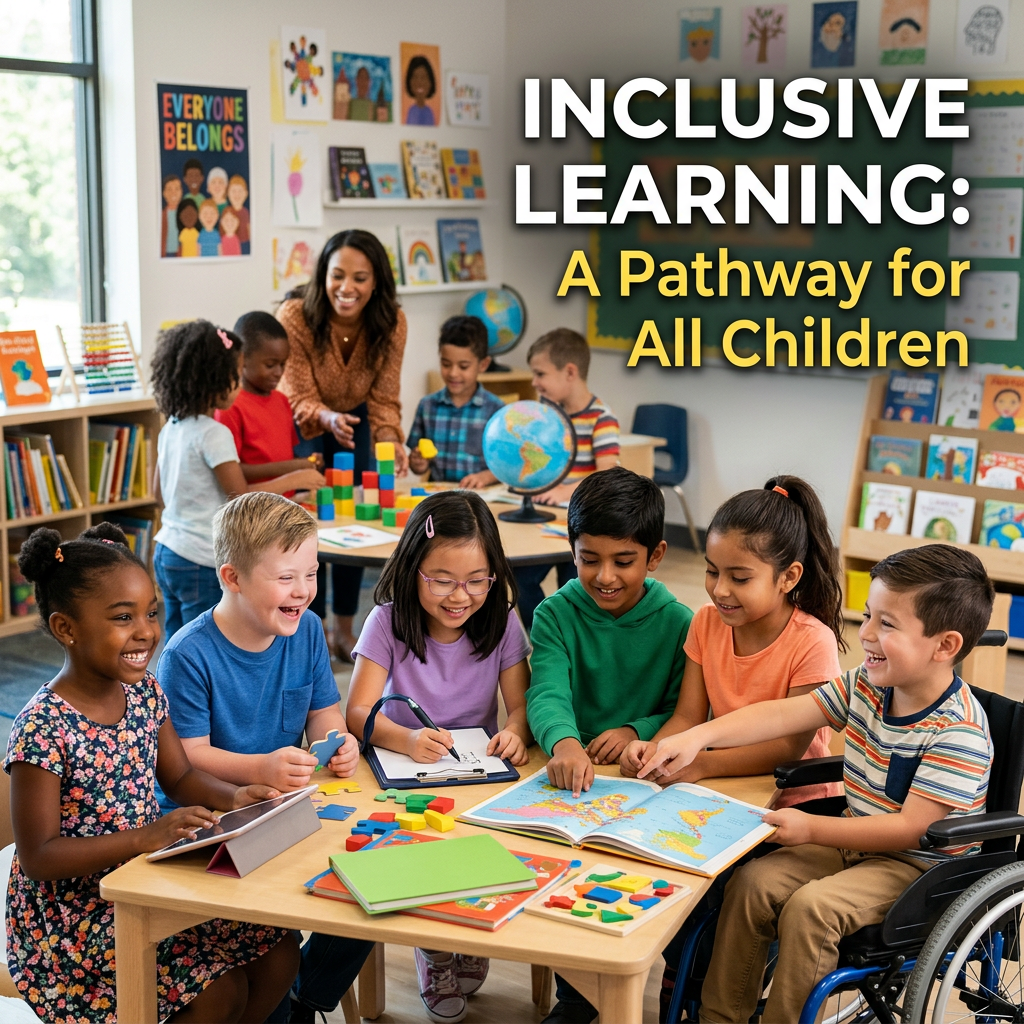
Conversely, several schools and childcare facilities adopt an inclusive model, integrating children with disabilities alongside those without. This approach has shown significant advantages for all involved, as it enhances communication skills for children with disabilities and fosters empathy and understanding among their peers.
Learning Based on Needs Rather than Age
The Karasik Family, Infant & Child Care Center (KFICCC) at The Arc Montgomery County is a pioneering example of this inclusive strategy, being the first in Maryland. At KFICCC, children ranging from 6 weeks to 5 years old engage in learning experiences that prioritize individual needs over age.
Established in 2011 through a collaboration between Montgomery County Public Schools (MCPS) and The Arc Montgomery County, the center aims to provide integrated services to children with developmental and intellectual disabilities.
“MCPS innovatively integrated a team of early childhood educators and specialists into KFICCC, allowing children who require support services to remain in the same environment,” explains Doreen Engel, who oversees children and youth programs at The Arc Montgomery County. “This enables kids to receive speech, physical, and occupational therapy alongside their peers without the need to leave the classroom.”
Initially, MCPS’s involvement in the KFICCC project was driven by budget considerations regarding transportation. However, the ongoing success of the program underscores its multifaceted benefits beyond mere cost savings.
Advantages Across Social, Academic, and Developmental Dimensions
In inclusive settings like KFICCC, children with disabilities access comprehensive support similar to that found in specialized educational programs, but with added perks. They establish friendships more readily with their classmates, and research has indicated that such inclusive atmospheres can enhance both academic and developmental progress. For instance, studies show that children with disabilities in integrated classrooms may exhibit advancements in communication and foundational literacy.
This inclusive approach also proves beneficial for typically developing children. A 2021 study published in Frontiers in Psychology revealed that children in inclusive settings often cultivate greater understanding, acceptance, and patience. Not all children grow at the same pace, thus inclusive preschools and childcare programs can be advantageous for those who may lag in specific skills, such as social interactions or fine motor abilities.
“In other childcare settings, the expectations for children may not align with their developmental stages,” Engel points out. “Programs with a commitment to inclusion frequently correlate with outstanding educational outcomes. Our educators regularly collaborate with specialists who possess extensive knowledge and strategies to assist children in overcoming their learning challenges.”
The Need for Tailored Solutions
Although the benefits of inclusive education are prominent, it’s essential to recognize that it isn’t a universal remedy for the challenges faced by students with disabilities. The training required for educators in inclusive settings can be demanding and expensive, and some children may thrive better in smaller, more focused classrooms. Nevertheless, inclusive environments should be a viable option for children as they commence their educational journeys.
<p“Embracing inclusion comes with its own set of challenges,” Engel notes. “Having worked as an inclusion specialist, I can attest to the difficulties involved. There are financial implications, and some children may show behaviors indicating they are not yet ready for inclusion. However, advocating for inclusion typically leads to improved educational experiences.”
Disclaimer
The information provided here is meant to be informative and descriptive. The outcomes and experiences of children in inclusive educational settings may vary based on numerous factors, including individual circumstances and institutional approaches. No guarantees of results or performance are implied.