
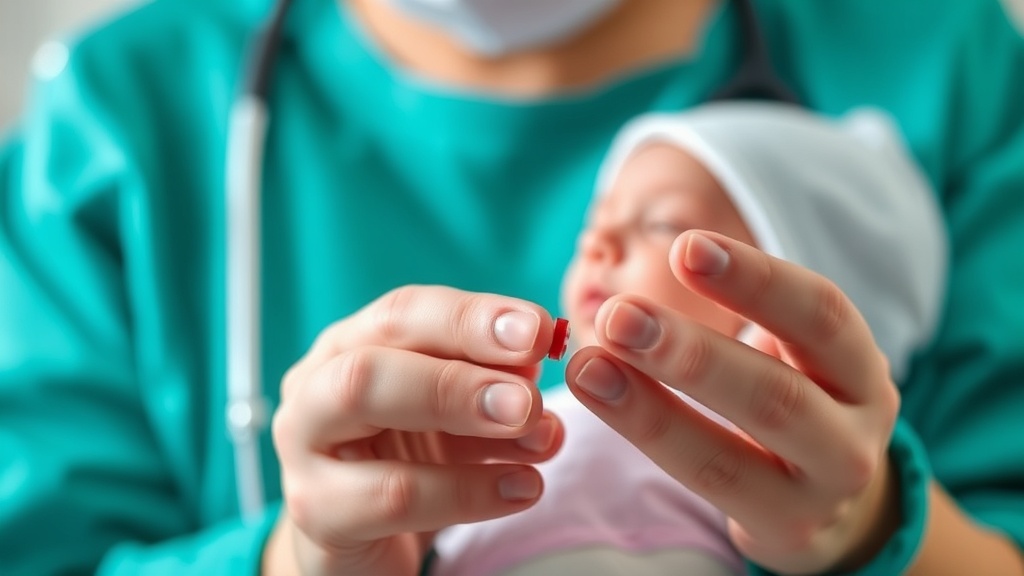
When a newborn enters the world, one of the initial medical interventions is often the administration of a vitamin K injection. Marketed as essential for preventing bleeding, this shot raises significant questions among parents, especially those inclined towards holistic health. What exactly is in this injection? Is it genuinely just vitamin K, or could there be additives that might pose risks to a fragile newborn?
Understanding the Composition of the Vitamin K Shot
The vitamin K injection administered to infants is not merely a pure vitamin solution. The active ingredient, phytonadione (vitamin K₁), is a synthetic variant that often includes various additives aimed at enhancing stability and shelf life. These may comprise substances such as polysorbate 80, propylene glycol, and sometimes benzyl alcohol. While these compounds serve important functions in pharmaceutical manufacturing, they are not natural components of the human body and can elicit biological effects.
Polysorbate 80, commonly used as an emulsifier, is prevalent in many foods and pharmaceuticals. Although it helps to evenly disperse ingredients, research has indicated that excessive exposure can increase cellular permeability and may trigger inflammatory responses in animal studies. This raises concerns among parents focused on the purity of medications administered to their newborns, particularly when considering the injection of such additives directly into muscle tissue.
Similarly, benzyl alcohol, often used as a preservative, has been linked to toxicity in premature infants when administered in larger quantities. Its presence, even in minimal amounts, has prompted many parents to seek preservative-free alternatives for neonatal treatments. The implications of these additives warrant careful consideration and discussion among parents and healthcare providers.
The FDA Black Box Warning
The Natural Role of Vitamin K in Newborns
Informed Consent and Parental Choices
Frequently Asked Questions
- What is the vitamin K shot used for?
The vitamin K shot is administered to newborns primarily to prevent Vitamin K Deficiency Bleeding (VKDB), a rare but serious condition that can lead to internal bleeding. It is part of routine newborn care in many hospitals.
- Are there risks associated with the vitamin K shot?
Yes, the vitamin K injection carries potential risks, particularly due to the additives present in the formulation. The FDA has issued a black box warning due to reports of severe hypersensitivity reactions, which highlight the need for cautious administration and informed consent from parents.
- What alternatives are available for vitamin K supplementation?
Parents may consider alternative methods for vitamin K supplementation, such as oral vitamin K, which some studies suggest can effectively prevent VKDB without the associated risks of injections. Discussing these options with a healthcare provider can help determine the best approach for each infant.
- Why are newborns born with low levels of vitamin K?
Newborns are born with low levels of vitamin K as part of a natural design, allowing their bodies to adjust to a new environment without overwhelming their immature systems. This low concentration supports gradual maturation of the gut and liver, essential for processing vitamin K.
- Can parents refuse the vitamin K shot for their newborn?
Yes, parents have the right to refuse the vitamin K shot and should engage in detailed discussions with their healthcare providers about the benefits and risks involved. Understanding their options allows parents to make informed decisions that align with their values and beliefs.