
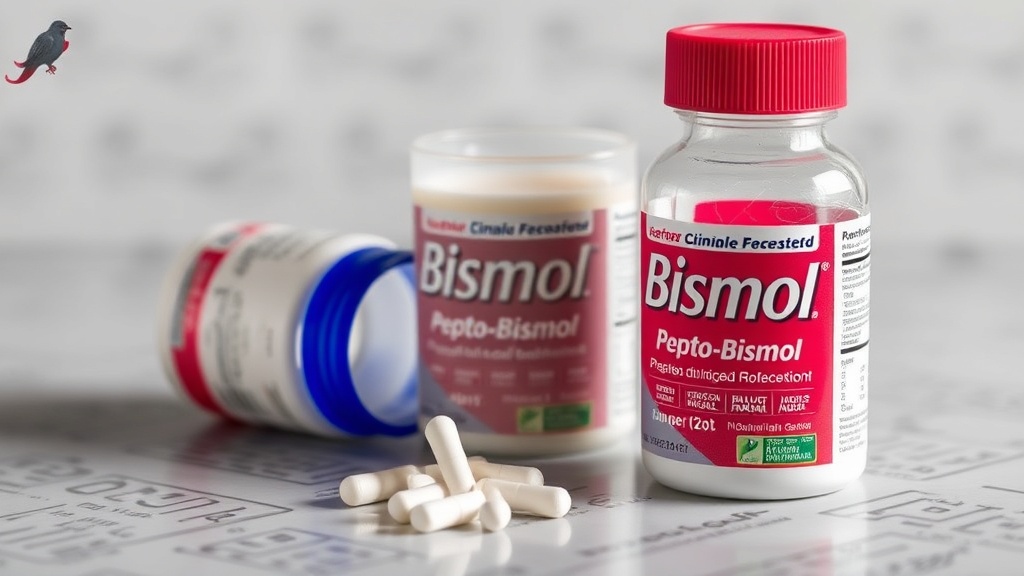
Pepto-Bismol has long been a staple in many households for quick relief from stomach issues. Its iconic pink color and easy availability make it a go-to solution for heartburn, nausea, and diarrhea. However, many people might not be aware of the ingredients lurking behind its comforting exterior. This article aims to illuminate the components of Pepto-Bismol, discuss their potential effects on health, and explore natural alternatives for digestive relief.
Key Takeaways
- Pepto-Bismol contains bismuth subsalicylate, a compound that may introduce heavy metals into the body.
- Various artificial additives in Pepto-Bismol can impact gut health over time.
- Natural alternatives like activated charcoal and essential oils can provide safer digestive support.
The Active Ingredient: Bismuth Subsalicylate
The primary ingredient in Pepto-Bismol is bismuth subsalicylate, which combines bismuth, a heavy metal, with salicylic acid, related to aspirin. This ingredient is known for its ability to coat the stomach lining and alleviate temporary digestive discomfort. While it may provide short-term relief, this compound introduces a non-essential metal into the body, which can accumulate over time.
Excessive exposure to heavy metals like bismuth can lead to various health issues, including toxicity, fatigue, and neurological symptoms. Users often report side effects such as a blackened tongue or dark stools, which occur when bismuth reacts with sulfur in the digestive tract, forming bismuth sulfide. This compound can irritate the gut lining, raising concerns about the long-term use of Pepto-Bismol.
Thus, while bismuth subsalicylate can be effective for immediate relief, it is essential to weigh the benefits against the potential for adverse health effects, especially with frequent use.
Understanding Side Effects
Pepto-Bismol is generally considered safe for short-term use, but it can come with several side effects. Some users experience a temporary black tongue or dark stools, which can be alarming but are usually harmless. However, other possible side effects include nausea, constipation, and stomach cramps. There is also a risk of Reye’s syndrome in children due to the salicylate component, making it crucial for parents to be cautious when administering this medication to younger individuals.
Furthermore, individuals with salicylate sensitivity may find themselves experiencing ringing in their ears or allergic reactions after taking Pepto-Bismol. The accumulation of heavy metals with long-term use is another significant concern, necessitating a careful evaluation of its prolonged use.
Inactive Ingredients and Their Implications
In addition to its active ingredient, Pepto-Bismol contains a variety of inactive components designed to enhance its texture, color, and shelf stability. These additives include magnesium aluminum silicate, which is a clay-like thickener that can introduce trace amounts of aluminum into the body. Aluminum exposure has been linked to neurological issues when accumulated over time, making this ingredient another point of concern.
Other additives, such as benzoic acid and salicylic acid, act as preservatives but can irritate sensitive stomachs and skin. The artificial colors used, like Red 22 and Red 28, are petroleum-based dyes that have been linked to hyperactivity and allergic reactions in some individuals. Lastly, synthetic flavoring agents are included to mask the unpleasant taste of bismuth, but these compounds may not be the healthiest choice for frequent consumption.
While regulatory bodies deem these additives “safe” in controlled amounts, chronic exposure can contribute to the body’s toxic load, particularly in individuals with impaired detoxification systems. This reality raises questions about the long-term use of Pepto-Bismol and the potential for safer, more natural alternatives.
Natural Alternatives for Digestive Health
If you’re seeking relief from digestive issues without the chemical burden of Pepto-Bismol, consider some natural alternatives. One effective option is activated charcoal, a natural detoxifying agent that can bind to toxins, gases, and chemicals in the digestive tract, preventing their absorption into the bloodstream. Activated charcoal can be particularly useful for bloating, food poisoning, and even stomach flu.
Unlike Pepto-Bismol, activated charcoal does not introduce synthetic chemicals or heavy metals into the body; instead, it helps eliminate them. However, it is best used short-term and should be taken away from other supplements or medications, as it can reduce their absorption.
Another natural alternative is DigestZen, a therapeutic essential oil blend by doTERRA. This blend typically contains essential oils like ginger, peppermint, fennel, anise, caraway, coriander, and tarragon, all chosen for their ability to support digestion. These oils work synergistically to soothe stomach cramps, ease nausea, and promote healthy bile flow, all while supporting natural gut motility.
Supporting Your Gut Health Naturally
Rather than reaching for Pepto-Bismol at the first sign of digestive discomfort, consider implementing some natural practices to support your gut health. Drinking warm water with lemon can stimulate digestion and serve as a gentle detoxifier. Ginger tea or peppermint oil can be excellent choices for alleviating nausea, providing a comforting alternative to synthetic medications.
Eating a diet rich in whole, unprocessed foods while avoiding seed oils, refined sugars, and artificial sweeteners can significantly impact your digestive health. These dietary choices not only nourish your body but also support your gut microbiome, promoting a balanced digestive system.
Occasionally using activated charcoal can also be beneficial for absorbing toxins or addressing foodborne irritants, offering a safe and effective way to manage digestive issues when they arise.
Frequently Asked Questions
- Q1: Is Pepto-Bismol safe for children?
Pepto-Bismol is generally not recommended for children, especially those under the age of 12, due to the risk of Reye’s syndrome associated with its salicylate content. Parents should always consult a healthcare provider before administering any medication to children. There are alternative remedies that may be safer and more suitable for younger individuals.
- Q2: How often can I take Pepto-Bismol?
While Pepto-Bismol can be taken as directed on the packaging, it is important to limit its use to avoid potential side effects associated with long-term consumption. Frequent use can lead to heavy metal accumulation and other health concerns. If you find yourself needing it regularly, it might be wise to consult a healthcare professional to explore underlying issues and safer alternatives.
- Q3: Are there any natural alternatives that work as effectively as Pepto-Bismol?
Yes, there are several natural alternatives that can effectively address digestive issues. Activated charcoal is one option that binds to toxins and helps reduce bloating. Additionally, using essential oils like ginger or peppermint can provide relief from nausea and stomach cramps. These alternatives can be safer and may not carry the same risks as Pepto-Bismol.
Conclusion
While Pepto-Bismol may offer quick relief from digestive discomfort, it comes with potential risks associated with its active ingredient and various additives. The introduction of heavy metals and salicylate-related concerns necessitates a careful consideration of its long-term use. Fortunately, natural alternatives like activated charcoal and essential oils provide effective digestive support without the burden of synthetic compounds. Always listen to your body, start slowly with new remedies, and consult a holistic practitioner for personalized advice on maintaining your gut health. Embracing nature’s offerings can pave the way for a healthier, more balanced digestive system.